



Are Microplastics Hiding in Your Skincare?
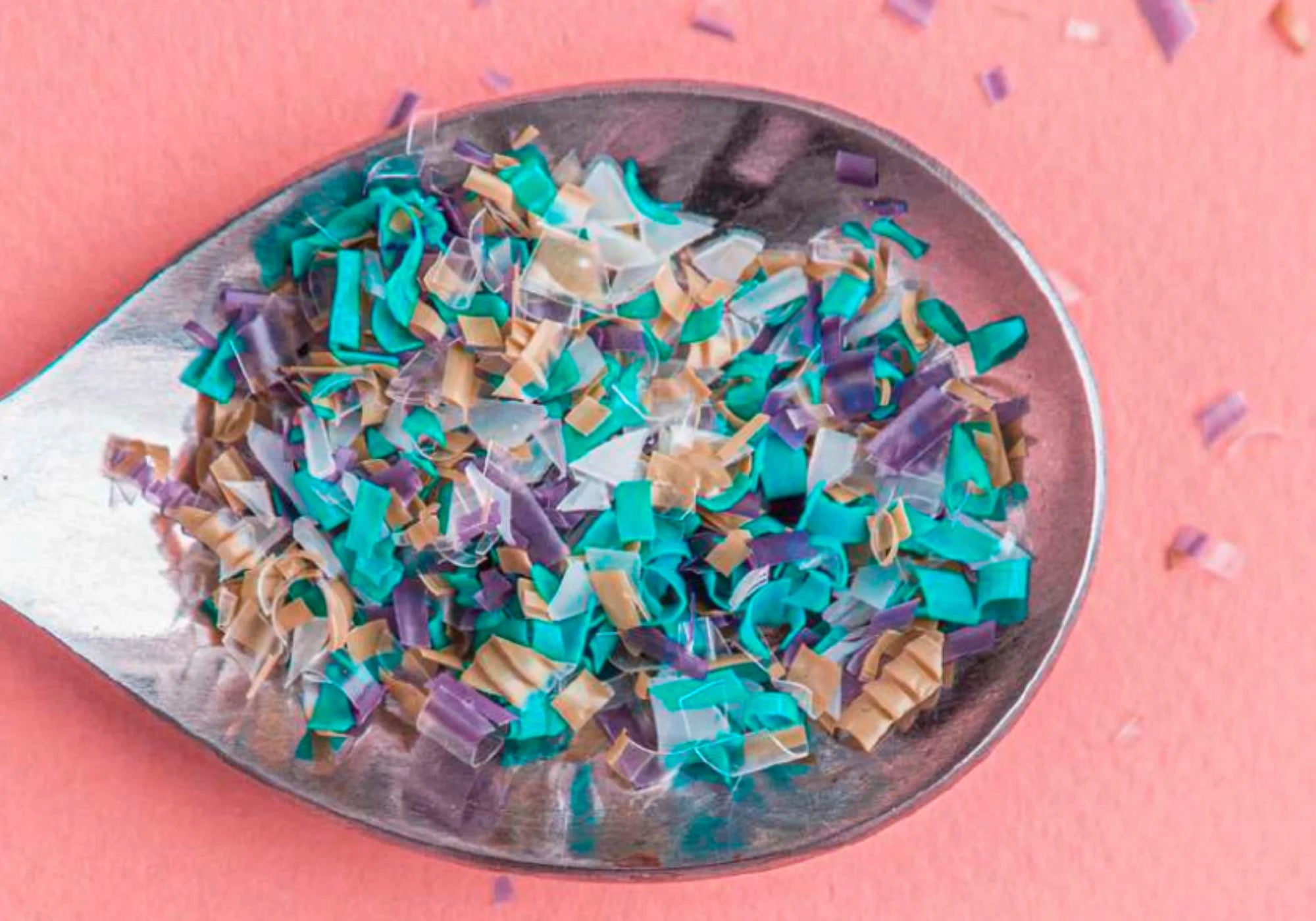
Did you know that the cosmetics industry releases an estimated 1.5 million tonnes of microplastics into the environment every year?
While many of us associate microplastics with ocean pollution or synthetic fabrics, they’re also increasingly present in our skincare. Even products labelled as “clean” or “natural” can contain liquid or soluble plastics — polymers added to make formulas feel smoother, thicker, or last longer on the skin.
This raises an urgent question: how do we detox not just from within, but from the products we apply to our skin every single day?
As new research emerges, one truth becomes impossible to ignore — microplastic exposure is no longer an abstract environmental concern. It’s inside us. And now more than ever, we need to understand how to protect our brains, our bodies, and our overall wellbeing.

Microplastics and the Brain
A new report, Understanding the Microplastics Crisis, by Professor Gerry Bodeker and Trent Munday — released as part of the Global Wellness Summit’s Microplastics Watch Initiative — is sparking important conversations across the wellness community. Their white paper on microplastics and the brain reveals a confronting reality: Alzheimer’s-affected brains contain up to ten times more microplastics than non-Alzheimer’s brains.
It’s a discovery that raises urgent, deeply personal questions — not just about how we detoxify our bodies, but about the invisible exposure we face every day through the products we use, the environments we live in, and even the skincare we trust.
Why are Microplastics in Skincare?
Plastics in skincare serve many functions: as exfoliants (formerly microbeads), as binding or bulking agents, and to create a film that helps ingredients “stick.” The problem is, these particles don’t just wash away — they enter waterways, persist in the environment, and can accumulate in the body over time.
The Health Connection
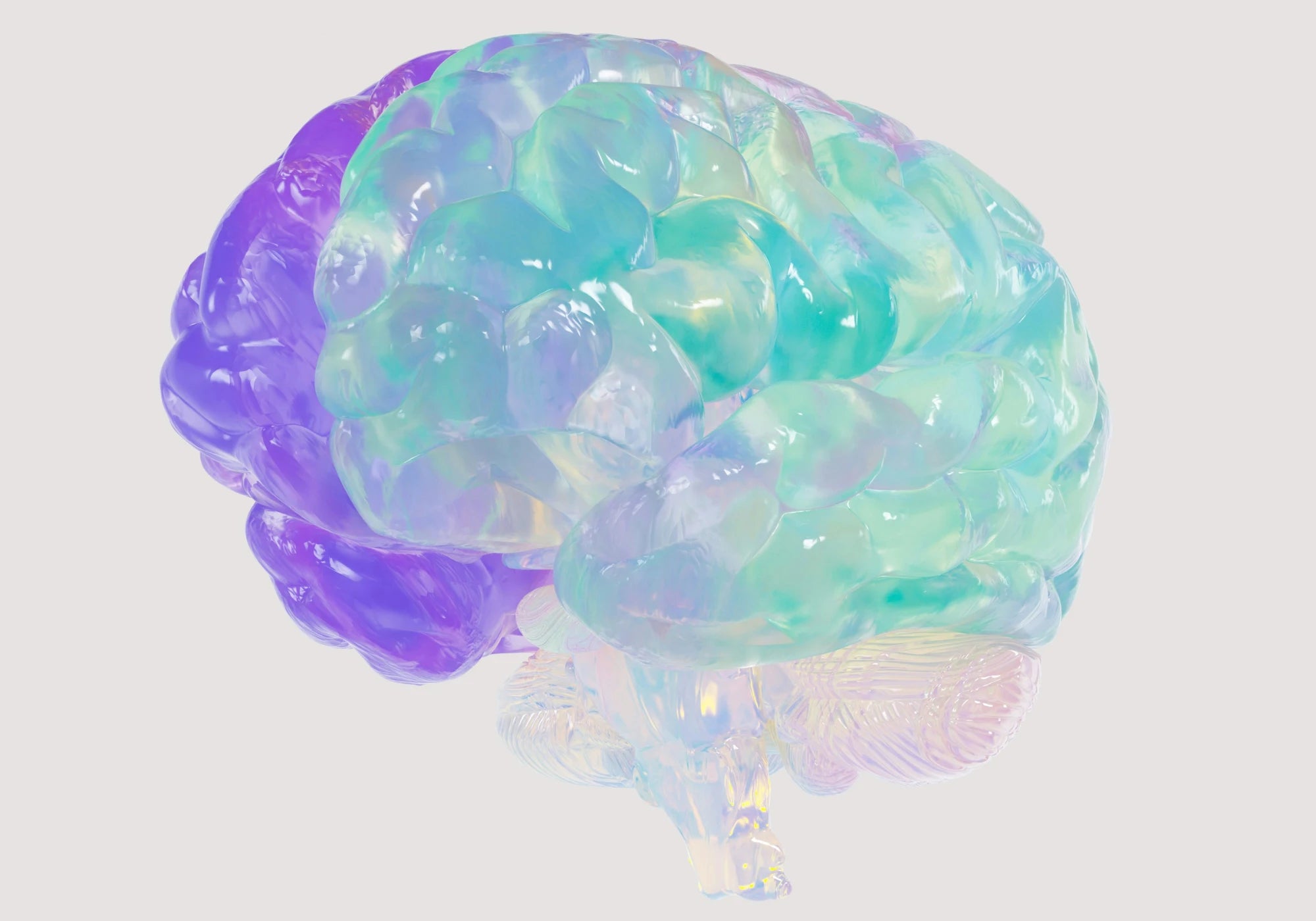
Research has detected microplastic particles in human blood, lungs, and even placenta, sparking concern about how they accumulate in our bodies. Some scientists believe chronic exposure, including through topical absorption, may lead to inflammation, oxidative stress, or a disrupted skin barrier. Dr. Gerry’s findings go further — identifying plastic particles in brain tissue and raising the possibility of a link to neurodegenerative disease.
Environmental Impact
Every time we rinse a cleanser or scrub, tiny plastic fragments flow down the drain. Most wastewater systems can’t filter them completely, sending microplastics into rivers, oceans, and ultimately the food chain. The cosmetics industry is estimated to release over 1.5 million tonnes of microplastics into the environment each year.
What “Plastic-Free” Beauty Really Means
True plastic-free formulations replace polymers with plant gums, jojoba beads, and natural oils. But eco-packaging alone isn’t enough — the formula itself must be free from plastics. Watch for ingredients like polyethylene, polypropylene, acrylates copolymer, or PEGs.
Look for brands with Organic Certification or transparent ingredient policies. Apps like CodeCheck or Beat the Microbead can help decode long ingredient lists.
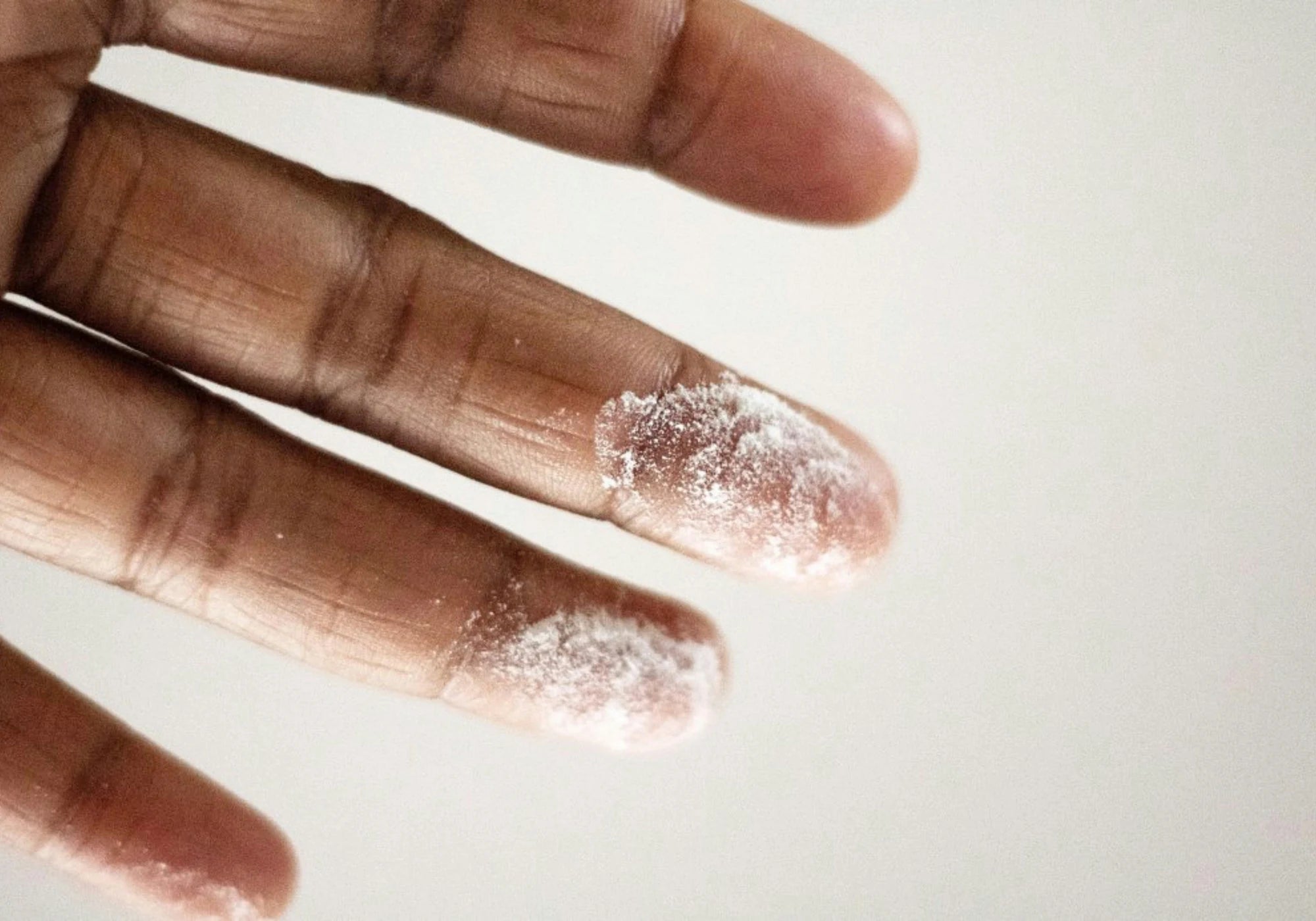
The bigger picture:
Our exposure is widespread— from toothpaste to sunscreen — but awareness is the first step toward change. As the wellness world gathers at GWS, one message is clear:
Clean beauty isn’t just about what’s left out — it’s about understanding what’s quietly left in. At this year’s GWS, that conversation might just redefine what “clean” really means.
Clean beauty is evolving. The next frontier is plastic-free.
Supporting Research
Written By Theme Rains