




Embracing Radiance, Not Perfection: A Different Way to Love Your Skin
A new word has quietly slipped into our cultural conversation: cosmeticorexia, a compulsive fixation with achieving flawless skin. First described as "dermorexia" by beauty journalist Jessica DeFino in 2023, the phenomenon is now being studied by clinical researchers in Italy, who suggest it may represent a genuine mental health concern, though it is not yet a formal diagnosis. Whatever we call it, the pattern is familiar. Fuelled by influencer culture, filtered imagery, and algorithms designed to monetise our insecurities, we have collectively absorbed a singular, unattainable ideal. Smooth. Pore-less. Perfect. Ageless.
But in chasing it, have we lost sight of what real skin actually looks like? And more importantly, what it actually needs?
At Synthesis Organics, we've always understood otherwise.
We're not here to chase flawless. We're here to nourish radiance - and there's a profound difference. Flawless is a filter. Radiance is life force - the luminosity of skin that is deeply hydrated and alive. It's the glow that no algorithm can manufacture.

When Flaws Become a Business Model
The most confronting truth in this conversation is that perceived flaws aren't just noticed -they're engineered and sold. The beauty industry has become extraordinarily skilled at creating the very insecurity it then offers to fix. We are handed the message that our natural skin isn't enough, that ageing is something to fear, and that acceptance must be purchased.
We resist that premise, and we hold ourselves to it. No product, ours included, can deliver self-worth. Our starting point has always been the same: your skin is not broken. It simply deserves to be deeply nourished - with formulations born from the alchemy of nature, science and spirit, crafted with living botanicals and heart intelligence at their core.
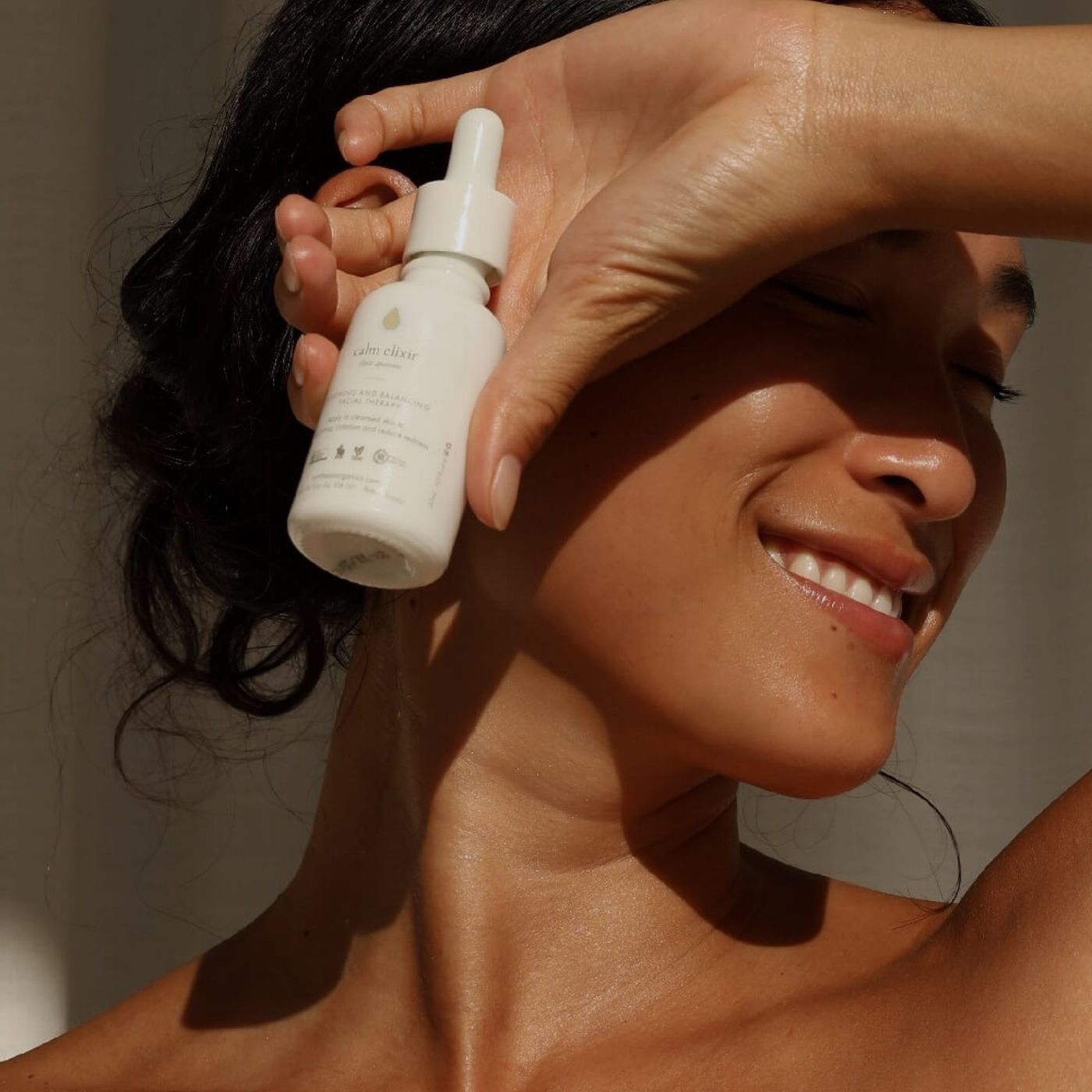
Skincare That Works With Your Skin, Not Against It
The relentless pursuit of perfection has led many to reach for increasingly aggressive routines - layering harsh exfoliants and potent actives daily, often without need and sometimes without guidance. Used this way, they can cause real harm: irritation, allergic reactions, and a disrupted barrier that takes months to repair. (To be clear: prescription treatments prescribed by a dermatologist for genuine skin conditions are a different matter entirely, and can be transformative. The concern is correction-first culture - treating healthy skin as a problem to be solved.)
This is why ingredient integrity matters so deeply to us. Our certified organic bioactives are chosen to work in harmony with the skin's biology at every age, supporting its natural capacity to hydrate, regulate, and radiate - never forcing or overwhelming it.

Beauty Is Not a Measure of Worth
When appearance becomes the primary lens through which we evaluate ourselves, something essential gets lost. Tying self-worth to how we look promotes ideals that are unattainable for most - and that's a risk factor for real psychological harm, regardless of which trend is driving it.
We see conscious beauty as a quiet act of resistance. Skincare, at its best, is self-respect and sensory presence - the warmth of a botanical oil, the grounding ritual of a morning cleanse, the calming exhale of pure aromatherapy. It belongs to the body, not the screen.
When we return to that relationship with our skin, beauty stops being a verdict and starts being a practice. Not rigid or obsessive, but nourishing - chosen with intention, worn with ease.

Flourishing, Not Flawless
Every Synthesis Organics formulation is made with this intention - crafted from certified organic bioactives, ethically sourced, and produced at our regenerative Byron Bay farm with the same care we ask you to bring to your skin.
This is conscious beauty. Not the pursuit of perfection, but the practice of care. Not erasing who you are, but honouring it.
Your skin doesn't need to be flawless. It needs to be flourishing.
Discover skincare that works with your skin, not against it.
REFERENCES
1. "Cosmeticorexia: a worrying obsession with flawless skin or just a new term for an old problem?" The Guardian, 27 April 2026
2. Stefana, A. & Damiani, G. "Cosmeticorexia: What It Is, Where It Comes from, and Why It Matters." Dermatology and Therapy, 2026